How a conventional system works
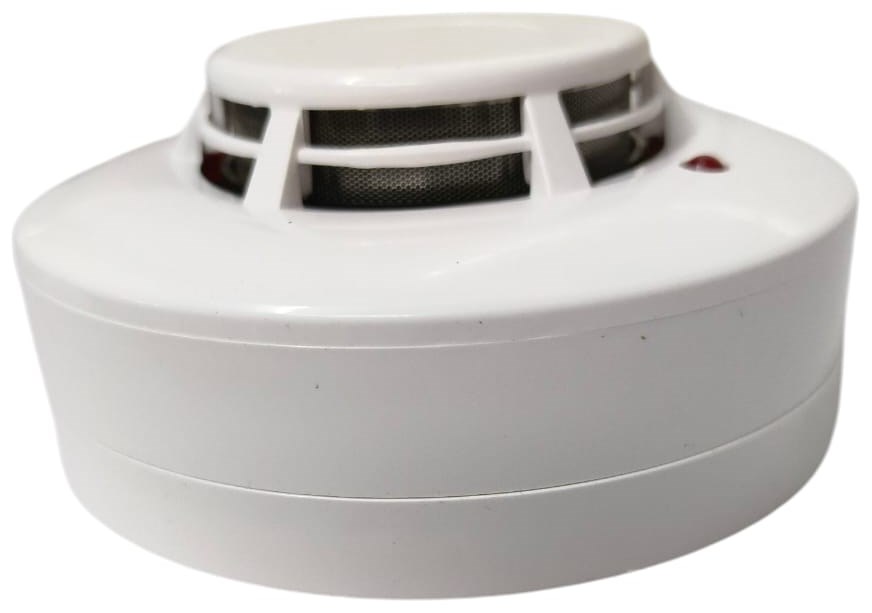
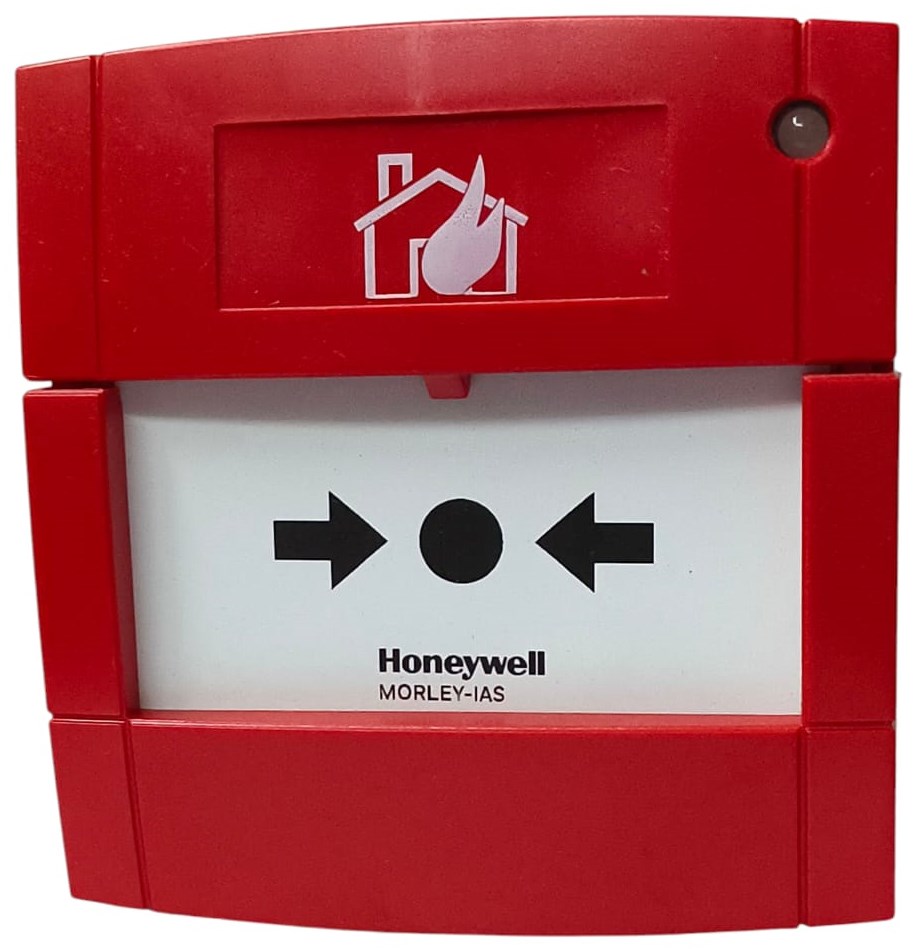
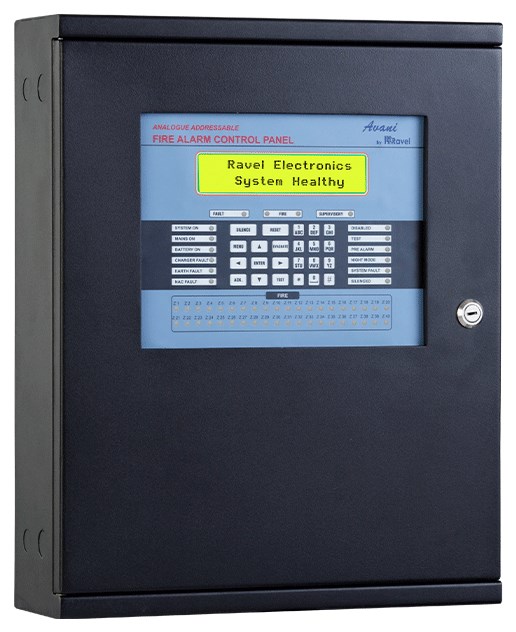
A conventional panel divides the building into zones, usually one per floor or wing. Every detector and manual call point in a zone shares one circuit, so when any of them triggers, the panel lights up that zone. It knows the fire is "somewhere on zone 3", but not which device raised it.
Conventional panels come in 2, 4, 8 or more zones. They are simple to set up, easy to service and the lowest-cost route for smaller sites.
How an addressable system works
In an addressable system every detector, call point and module has its own address on a wired loop. When one triggers, the panel shows exactly which device it was and where it is, for example "Smoke detector, 2nd floor, Room 204".
The loop is wired as a ring, so a single break in the cable does not take devices offline: the panel simply reaches them from the other end.
- Pinpoints the exact device in alarm or fault
- Less cabling on large sites: one loop instead of many zone circuits
- Detectors can report when they are dirty, so servicing can be planned
- Panels can be networked across floors and buildings
What you actually pay for
Device for device, addressable detectors and panels cost more. On large sites, though, the savings on cable, labour and fault-finding often close the gap. On a small office or shop, conventional is almost always the more economical choice.
Which one should you choose?
- Conventional: shops, small offices, clinics, single-floor units and budget-led projects
- Addressable: hospitals, hotels, malls, high-rises, factories and any site where finding the fire fast is critical
Still unsure? Share your floor plan with us and we will suggest panels, detectors and a wiring layout for both options, so you can compare like for like.
Key takeaways
- Conventional panels report the zone; addressable panels report the exact device.
- Addressable loops keep working through a single cable break.
- Small sites: conventional is usually cheaper. Large sites: compare both.
Products mentioned
Was this article helpful?
Glad it helped! Share it with someone who manages a building.
Sorry about that. Ask us on WhatsApp and we'll answer directly.