Every week (5 minutes)
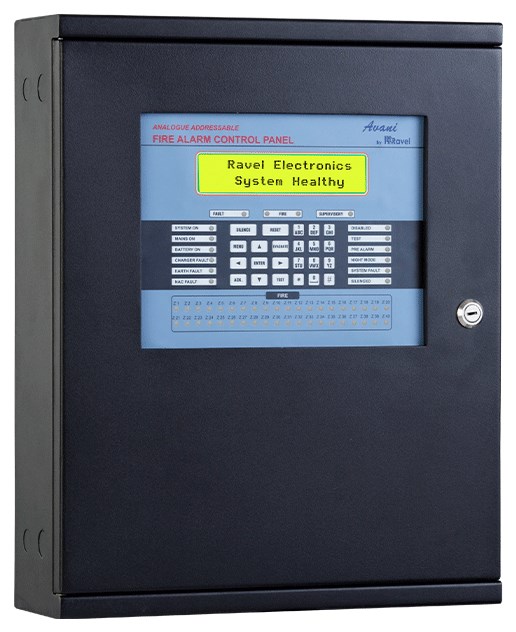
- Check the panel shows normal, with no fault or disabled lights.
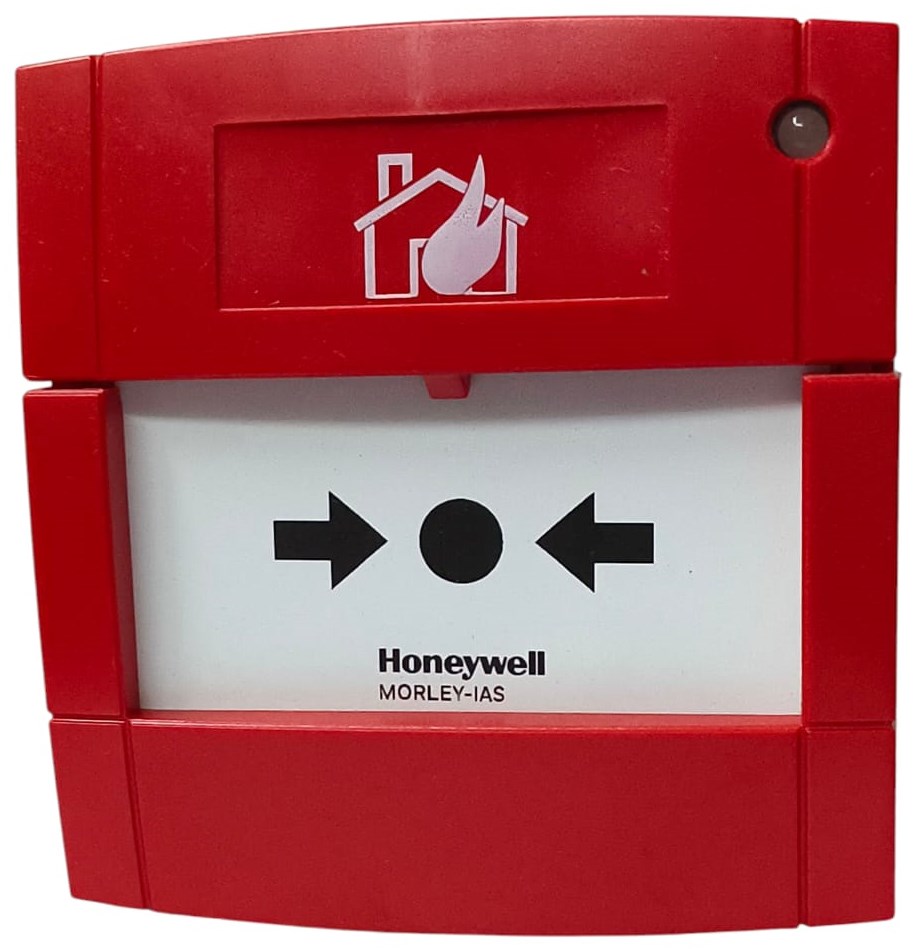
- Test one manual call point with its test key, using a different one each week.
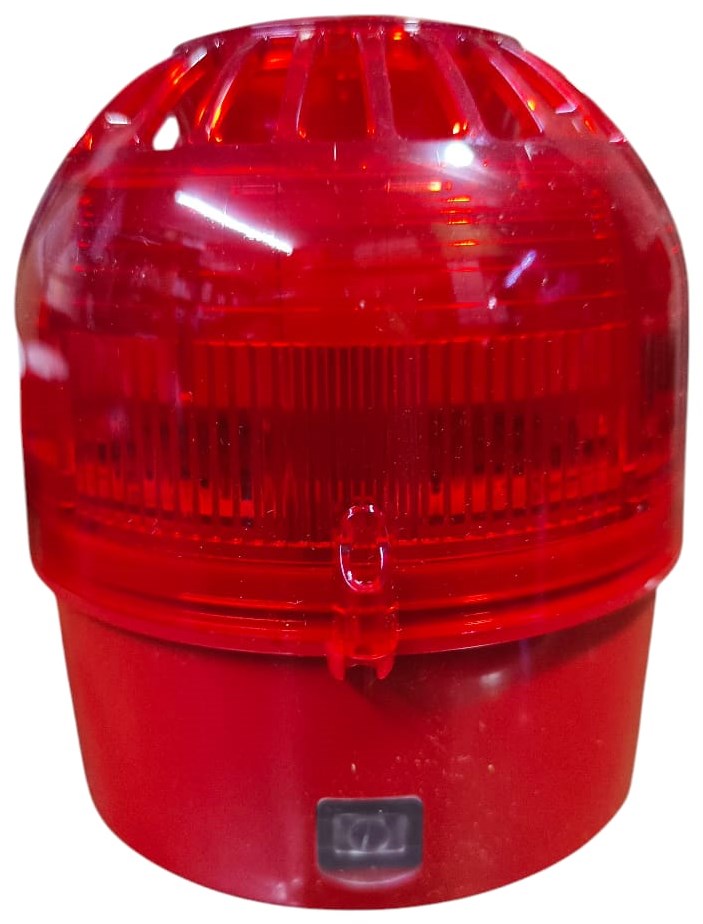
- Confirm the sounders can be heard, then reset the panel.
- Write the date, the call point tested and any issues in the logbook.
Test at the same time each week so people in the building know it is a test, not a fire.
Every month
- Look over the standby batteries for swelling or leaks, and check the panel shows mains power.
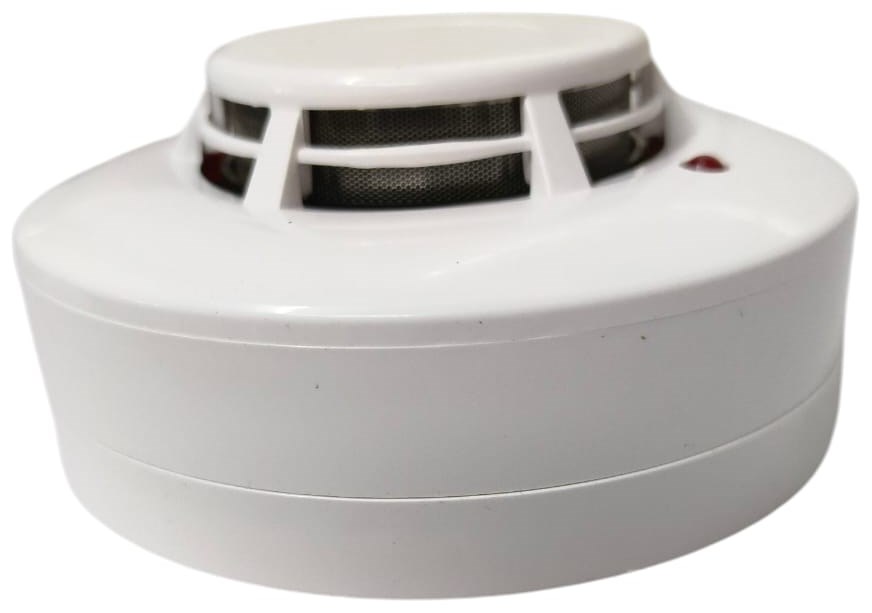
- Walk the site and make sure no detector has been covered, painted or blocked by new partitions, racks or false ceilings.
- Check that call points are visible and not hidden behind furniture or stock.
Every six months (by a technician)
A competent technician should service the whole system twice a year. A typical visit covers:
- A functional test of every detector with test smoke or heat
- A battery load test and charger check
- Sounder and flasher checks in every zone
- Cable, earth-fault and event-log checks
- Cleaning or replacing contaminated detectors
Long-term replacement
Smoke detectors slowly lose sensitivity as dust builds up inside them, and most manufacturers recommend replacing them after about 10 years. Standby batteries wear out every few years, so check the date written on them at every service.
Key takeaways
- Weekly: one call point test, logged.
- Monthly: a walk-round to spot blocked or covered devices.
- Every six months: a full service by a technician.
Products mentioned
Was this article helpful?
Glad it helped! Share it with someone who manages a building.
Sorry about that. Ask us on WhatsApp and we'll answer directly.