Why false alarms are dangerous
Every false alarm costs time and trust. After a few, people start ignoring the sounders, or someone disables a zone "for now", and that is exactly when a real fire does the most damage.
The usual suspects
- Cooking fumes and toasters near smoke detectors
- Steam from bathrooms, kitchens or pantry kettles
- Dust from renovation, drilling or sanding
- Insects getting inside the detector
- Aerosol sprays, incense and cigarette smoke
- Old detectors that have never been cleaned
- Water getting in, or damaged cables
Fixing the root cause
- Note the zone or device and the time of every false alarm in the logbook.
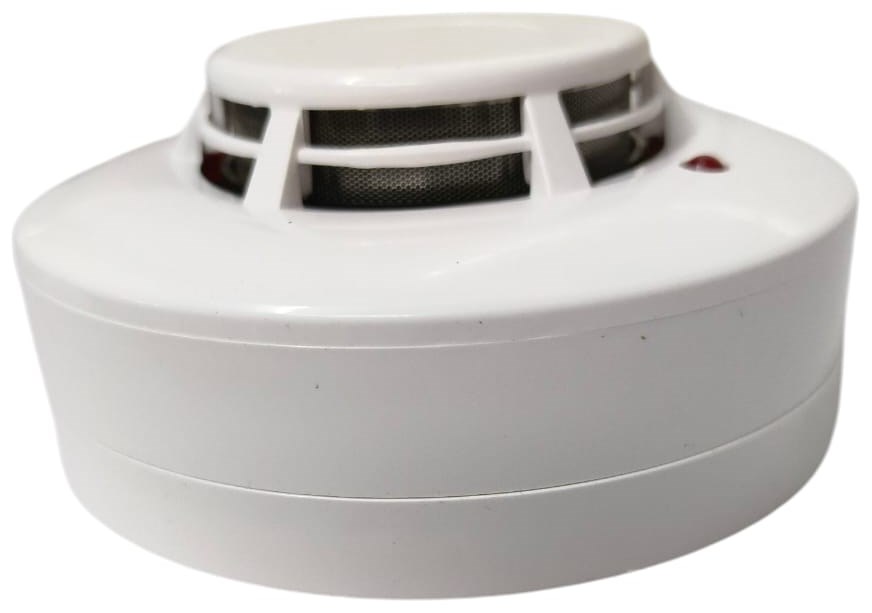
- Swap smoke detectors for heat detectors in kitchens and pantries.
- Cover detectors during dusty work, and remove the covers when the work ends.
- Have contaminated detectors cleaned or replaced.
- On addressable systems, check the event log for devices that keep triggering.
- Move detectors away from AC vents, windows and doors that let in steam or fumes.
Fire or fault? Reading the panel
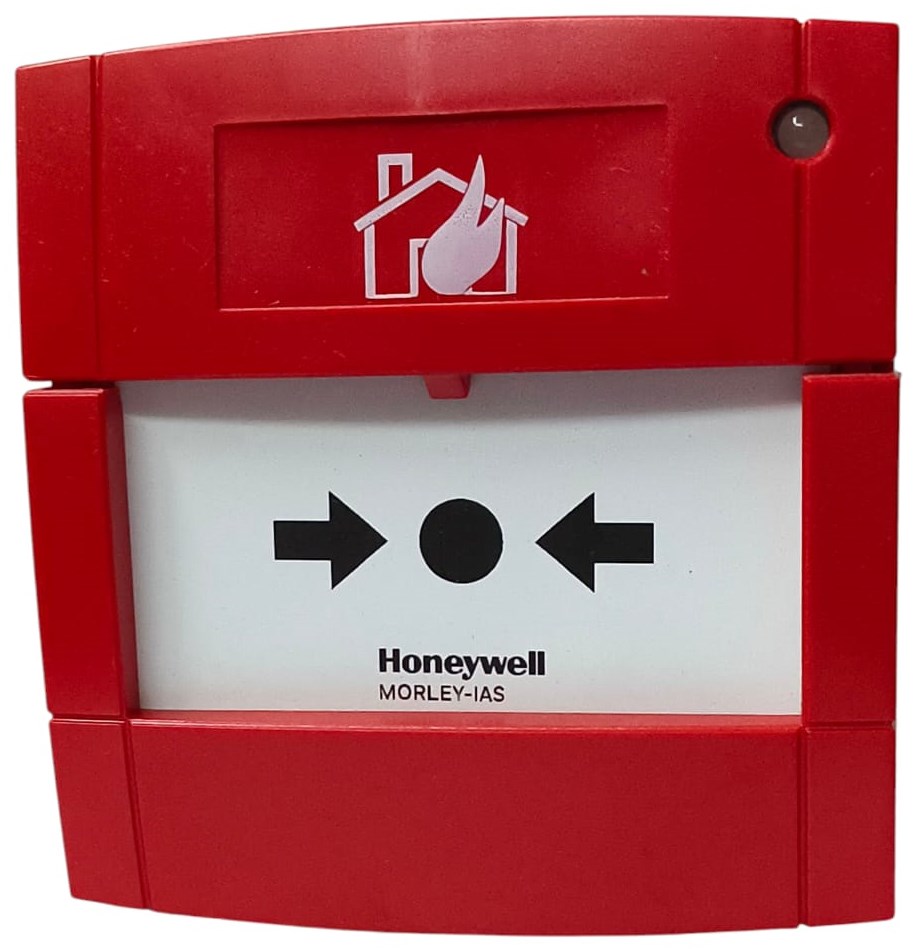
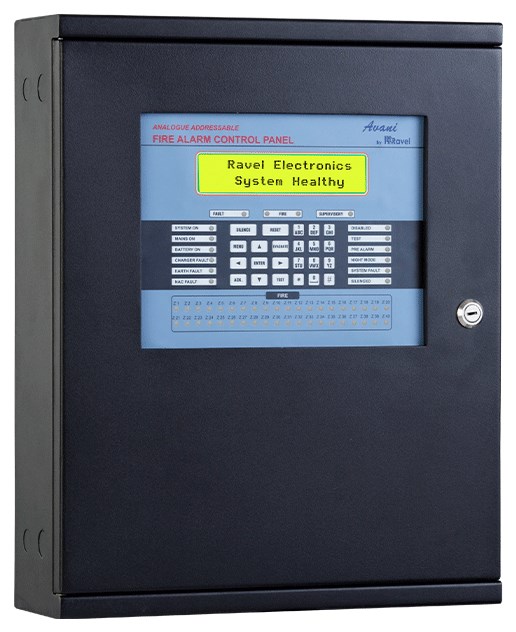
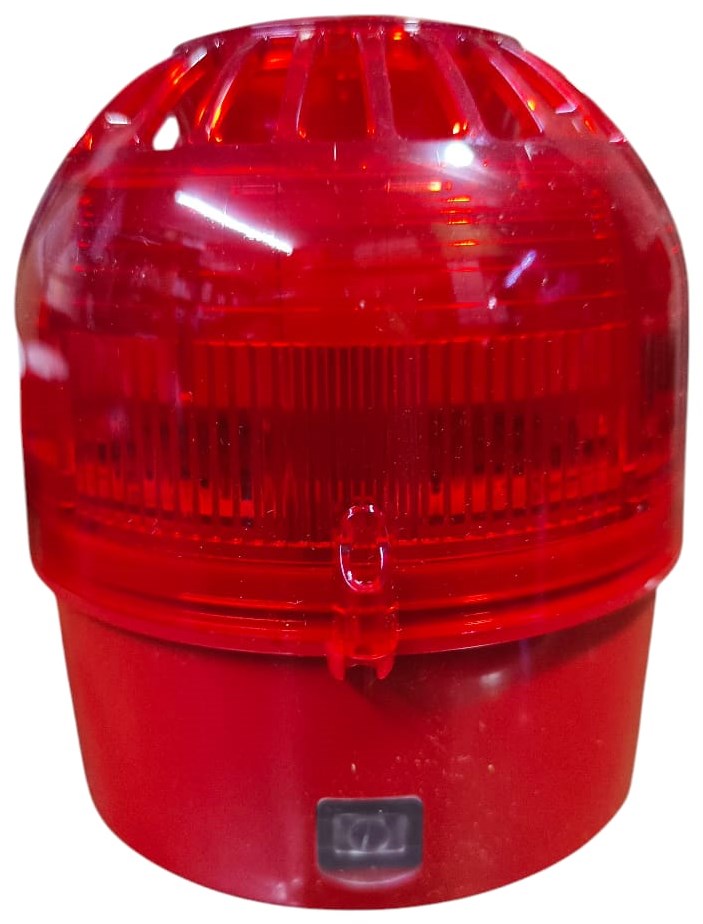
A fire alarm means a detector or call point has triggered: the sounders ring and the FIRE light comes on. A fault means the panel has found a problem it needs you to fix, such as a cable break, a missing detector, a low battery or an earth fault. Faults usually sound only the panel buzzer.
A fault is not an emergency, but that part of the building may not be protected until it is fixed, so call your service team promptly.
Key takeaways
- Most false alarms come from the wrong detector in the wrong place.
- Log every false alarm; the pattern points to the cause.
- Isolate a zone at the panel, never by removing detectors.
Products mentioned
Was this article helpful?
Glad it helped! Share it with someone who manages a building.
Sorry about that. Ask us on WhatsApp and we'll answer directly.